Why Your Addiction Treatment Center Needs a Specialized Marketing Agency for Rehabs

Running an addiction treatment center means giving people second chances, reuniting families, and helping patients reclaim their futures. Then again, without the right marketing support, even the best centers remain invisible

That’s where a specialized partner makes the difference. A rehab marketing agency understands the unique challenges of this industry, from strict advertising regulations to the need for compassion in messaging.

Unlike general marketing firms, a specialized agency helps treatment centers reach the right people at the right time, while maintaining compliance and trust.

We Understand the Challenges You’re Facing

Addiction treatment is one of the most complex fields to market. Strict advertising policies, sensitive regulations, and the emotional weight of the subject make it unlike any other industry.

A rehab marketing agency must balance compliance with compassion while still delivering measurable results.

Navigating Strict Advertising Policies

Platforms like Google and Facebook often impose restrictions on addiction-related ads. Campaigns can be blocked or flagged before they even get off the ground.

Without an experienced partner, facilities waste precious time and budget trying to work around constantly changing rules.

A specialized rehab advertising agency knows how to structure compliant campaigns that reach the right audience without triggering ad disapprovals.

Meeting HIPAA and Industry Regulations

Addiction treatment centers must also protect patient privacy and follow HIPAA regulations. This means being extremely careful about how success stories, testimonials, and communications are shared online.

We help you build campaigns that are ethical, legally compliant, and still emotionally resonant, so you can build trust without crossing regulatory lines.

Reaching People in Crisis Moments

Marketing addiction treatment isn’t just about visibility; it’s about empathy. Families searching for help are making life-changing decisions under immense stress. Generic sales-driven messaging falls flat—or worse, feels exploitative.

We craft content and campaigns that speak directly to patients and families in their moment of need, offering reassurance, clarity, and a path forward.

Staying Ahead of Competitors

If your center isn’t showing up in those critical searches—whether on Google, local listings, or social platforms—you risk losing patients to competitors who invested in smarter strategies.

A specialized agency ensures your facility is not only visible but positioned as the trusted choice in a crowded landscape.

reading

We Know the Addiction Treatment Industry Inside Out

Marketing a healthcare unit or addiction treatment facility isn’t the same as marketing a restaurant or retail store.

Addiction care comes with unique sensitivities, strict compliance requirements, and an audience that needs trust above all else. That’s why working with a specialized rehab advertising agency makes all the difference.

Generic marketers might understand SEO or paid ads, but they rarely understand the nuances of addiction treatment. They don’t see how quickly regulations shift, how essential reputation management is, or how important it is to balance empathy with urgency.

A specialized agency, on the other hand, brings proven strategies designed specifically for facilities like yours—strategies that meet regulations, resonate with families, and drive real admissions.

At SEO North, we’ve seen the pitfalls that centers face when working with generalist firms: wasted budgets, irrelevant leads, and campaigns that miss the mark.

By focusing exclusively on industries like behavioral health and addiction treatment, we bring the expertise that ensures your message is both heard and trusted.

Content That Reassures Families and Builds Trust

When families begin searching for help, they’re often overwhelmed, scared, and unsure of where to turn.

Ethical content is more than just keywords and search rankings. It’s about storytelling that highlights compassion, expertise, and hope.

Thoughtful articles on what to expect in treatment, videos of alumni sharing their recovery journey, or family guides explaining detox and therapy can make the difference between hesitation and picking up the phone.

Every piece of content should reflect empathy and credibility. By positioning your center as a trusted resource, you ease anxieties and build confidence in the decision to seek care.

Done right, rehab content marketing doesn’t just generate leads—it provides real comfort to families at a critical moment.

search volume

We Turn Website Visits Into Admissions

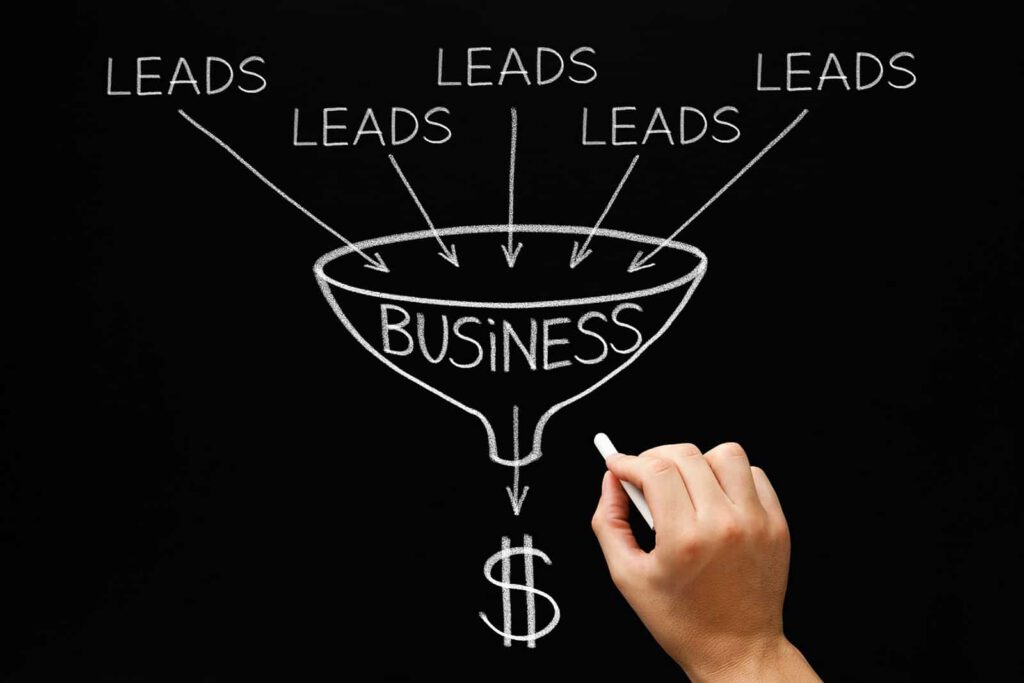
Traffic alone doesn’t change lives—admissions do. That’s why our approach in drug rehab marketing focuses on converting curiosity into commitment.

With proven strategies in addiction treatment marketing, we make sure the people who find your website don’t just browse and leave.

From streamlined landing pages to clear calls-to-action, every detail is designed to guide families toward taking the next step. We optimize patient intake forms, simplify navigation, and ensure your messaging speaks directly to those in crisis.

Here’s how we turn clicks into real admissions:

  • Patient-Friendly Landing Pages – Clear, compassionate design that encourages action.
  • Optimized Intake Forms – Easy to complete, even in high-stress moments.
  • Crisis-Ready Messaging – Language that reassures families while driving them to connect.
  • Conversion Tracking – Data-backed insights that reveal what works and what needs improvement.
  • Call Tracking & Routing – Ensuring no call is missed and every lead is answered quickly.
  • Mobile Optimization – Fast, intuitive design for patients and families searching on-the-go.
  • Live Chat & Support Integration – Immediate connection points for families who aren’t ready to call.
  • A/B Testing – Continuous improvement of forms, headlines, and CTAs for maximum conversions.
  • Retargeting Campaigns – Bringing back families who visited but didn’t yet reach out.
  • PPC Campaigns That Convert – Paid search ads that place your facility at the top of results, driving highly qualified leads ready to take action.

Behind the scenes, advanced analytics show us what’s working, so your marketing dollars are always directed where they’ll make the biggest impact. The result? More calls, more form fills, and more admissions for your center.

Maximize the Return on Every Advertising Dollar 

Running ads without a strategy is like pouring water into a leaky bucket. You spend more, but get less. As your dedicated rehab advertising agency, we make sure every campaign is built for efficiency, compliance, and measurable results.

With our team, you’ll see:

  • Lower Cost Per Lead – Ads designed to attract only qualified inquiries.
  • Higher Conversion Rates – Campaigns built to connect, not just collect clicks.
  • Smarter Budget Allocation – Data-driven insights that direct spend where it performs best.
  • Clear ROI Reporting – Transparent dashboards so you always know what your investment is delivering.

Your mission is too important to waste resources. By fine-tuning every dollar, we turn your marketing budget into a reliable engine for admissions growth.

Cold Pitching

SEO Expertise That Gets You Found First

When families search for help online, they rarely scroll past the first page of results. If your center isn’t there, you’re invisible.

That’s why our team specializes in digital marketing for rehab centers, with a focus on search engine optimization that gets you discovered before your competitors.

We combine deep keyword research with on-page optimization, technical fixes, and authority-building content.

But SEO isn’t just about rankings—it’s about trust. Our strategies ensure your treatment center appears credible, compassionate, and professional when people are making life-changing decisions.

The result? More organic traffic, higher-quality leads, and a steady pipeline of admissions that doesn’t depend solely on paid ads.

Social Media That Builds Connection, Not Noise

Families looking for treatment aren’t interested in gimmicks or viral stunts. They’re looking for hope, trust, and reassurance. That’s why our social media strategies focus on connection over clutter.

As part of our behavioral health marketing approach, we create campaigns that share meaningful stories, highlight your staff’s expertise, and provide families with resources they can trust.

Every post is designed to show that your center is not only professional but also compassionate and approachable.

From Facebook to LinkedIn, we tailor your content to the platforms where your audience is most active, building credibility and engagement without wasting effort on noise.

What do you get? Social channels that act as extensions of your admissions team, fostering trust long before the first call.

Content Strategy That Reaches the Right People at the Right Time

Addiction treatment decisions don’t happen overnight. Families might research for weeks—sometimes months—before reaching out. A thoughtful content strategy keeps your center visible and relevant at every stage of that journey.

We build content calendars tailored to your admissions goals, ensuring the right message goes out at the right time. Educational blog posts, patient stories, seasonal campaigns, and family-focused resources all work together to nurture trust and guide decision-making.

By creating the right marketing strategy, mapping content to the patient journey, from the first search to the final intake, we make sure your treatment center stays top of mind when it matters most. That’s the power of strategic storytelling in action.

marketing

Building Partnerships and Community Presence That Drive Referrals

Sustainable admissions growth rarely comes from advertising alone. The strongest treatment centers build a network of collaborative partnerships with hospitals, sober living homes, therapists, interventionists, and primary care providers who send qualified referrals year after year.

We help you develop these relationships through targeted business development strategies, including outreach programs to healthcare professionals, behavioral health consulting groups, and community organizations already working with your target audiences. Professional endorsements from respected clinicians carry weight that no ad campaign can match, and we help you earn them.

Community engagement matters just as much. Sponsoring local recovery events, supporting harm reduction initiatives, and participating in awareness campaigns position your facility as a genuine community resource rather than just another business. We pair this work with local SEO so your visibility in your service area reflects your real presence on the ground, not just your ad spend.

Recovery doesn’t end at discharge, which is why aftercare services and telehealth integration have become essential. We help you market these offerings to alumni, families, and referral partners, showing that your center supports patients through every stage of recovery. Combined with thoughtful social media marketing that highlights partnerships, events, and ongoing programs, this becomes a strategic marketing plan that compounds over time.

The outcome is a referral pipeline that grows stronger each quarter, reducing your dependence on paid channels and creating relationships that pay dividends for years.

Reputation Management That Protects and Elevates Your Brand

When a family finds your center online, the first thing they do is look for proof you can be trusted. Reviews, testimonials, photos, and your overall brand sentiment shape that decision long before anyone picks up the phone.

We build a comprehensive reputation strategy around the assets that matter most. Your Google Business Profile gets fully optimized with accurate information, current facility images, and a steady flow of positive reviews from patients and families willing to share their experience. We help you set up ethical review generation systems that stay compliant with HIPAA while still surfacing the alumni voices that resonate with people in crisis.

Negative reviews are inevitable in this industry, often coming from family members during difficult moments or from competitors acting in bad faith. We help you respond professionally, dispute reviews that violate platform policies, and ensure the overall picture across review platforms reflects the quality of care you actually deliver.

Beyond reviews, we strengthen your online authority through high-quality backlinks from reputable healthcare publications, recovery resources, and industry associations. This builds brand visibility in search results and reinforces the credibility that families are looking for when they vet treatment options.

Your social media presence rounds out the picture. Authentic patient testimonials (shared with proper consent), staff introductions, facility tours, and educational content all contribute to a brand that feels established, trustworthy, and approachable. Together, these elements create a reputation that does the hard work of persuasion before a family ever reads your homepage.

Email

Ready to Grow Your Admissions?

Your treatment center changes lives—but only if families can find you, trust you, and reach out when they need help most. Partnering with a specialized rehab marketing agency gives you the tools, expertise, and strategies to make that happen.

At SEO North, we combine compassion with performance-driven results, turning searches into calls, website visits into admissions, and marketing spend into measurable growth.

Whether you need detox marketing services, SEO, paid ads, or a full content strategy, we’re here to make every effort count.

Let’s talk about how we can help your center stand out, connect with families, and grow admissions in a sustainable way.

Contact SEO North today to start building your growth strategy.

Your future patients are searching right now—make sure they find you first.

Posted in SEO

Addiction Treatment SEO: The Complete Guide to Growing Your Rehab Center Online

When someone searches for addiction treatment, they’re often at their most vulnerable. If your rehab center isn’t appearing in the top search results, you’re missing people who need your help. Addiction treatment SEO guarantees your facility gets found by the right people, at the right time.

What Is Addiction Treatment SEO?

Search engine optimization for addiction treatment centers is the process of improving your website’s visibility in Google search results, so potential patients can find your services when they need them most.

It covers everything from keyword research and content creation to technical SEO and local search optimization.

Unlike general SEO, drug rehab SEO operates in a sensitive, highly regulated space. Searchers are often in a crisis. That means your strategy needs to balance ranking performance with genuine trust-building.

Why SEO Is Non-Negotiable for Addiction Treatment Centers

People who are searching for help with substance abuse, whether for themselves or a loved one, are not scrolling through to Google’s second page. Rather, they’re clicking on the first result they trust.

In fact, the top search result has an average click-through rate of 31.7% and earns roughly 10 times as many clicks as the result in position 10. For addiction treatment centers, a gap of that caliber is the difference between a potential patient finding your facility or your competitor’s.

Further, 76% of people who perform a local search on their smartphone visit a business on the same day. 28% of those searches result in a direct purchase or conversion. In the context of healthcare, that conversion equals an admission call.

Now, think about what that means for rehab facilities.

High-intent searches (i.e., people actively looking for inpatient detox, outpatient programs, or alcohol rehab) are ready to act. If your online presence isn’t positioned to meet them at that moment, you’re invisible where it matters most.

And yet: 58% of local businesses aren’t optimising their sites for local SEO, and only 30% have a local SEO strategy in place.

So, that’s your opportunity right there.

Effective addiction treatment SEO doesn’t just drive organic traffic. It drives the right traffic: qualified leads who are actively searching for the services you provide.

Whether that’s drug rehab, behavioral health support, or mental health treatment, your digital marketing strategy needs to start with being found.

The Foundations of a Strong Drug Rehab SEO Strategy

Strong addiction treatment SEO is built on three core pillars: the right keywords, high-quality content, and a technically sound website.

Keyword Research for Rehab Facilities

Keyword research is where every effective SEO campaign begins.

For addiction treatment centers, this means identifying the exact search terms potential patients are typing into Google and understanding the intent behind them.

Hint: Think beyond broad keyword terms.

For example, long-tail keywords, such as “outpatient alcohol rehab in Los Angeles” or “detox center near me,” attract more high-intent searchers who are closer to taking action.

As such, a data-driven approach to targeting these terms ensures your SEO efforts are focused where they convert, not just where they rank.

High-Quality Content Creation

Content is how rehabilitation centers build trust before a phone call is ever made.

Service pages, for instance, that cover inpatient and outpatient programs, FAQs addressing common concerns about substance abuse treatment, and evergreen guides on addiction recovery all serve a purpose. They help answer real questions and concerns searchers have.

Google also rewards content that demonstrates expertise and authority. In behavioral health and mental health niches, especially, thin or generic content won’t rank. Instead, write for your potential patients first, and the algorithms will follow.

Technical SEO for Healthcare Websites

A well-optimised website is the foundation on which everything else is built. Technical SEO helps Google crawl, index, and understand your site without friction.

As a healthcare provider, the key areas you need to address are:

  • Site speed and mobile optimization for seamless user experience across all devices
  • Accurate meta descriptions and title tags that improve click-through rates from search engine results
  • Schema markup that helps Google understand your treatment options, locations, and services
  • Fixing crawl errors and broken links that silently damage your search rankings

Neglecting technical SEO is one of the most common reasons rehab centers fail to rank, even when their content is strong.

Local SEO: The Most Powerful Tool for Addiction Treatment Marketing

Local SEO is essential for addiction treatment centers. After all, most people searching for rehab facilities are looking for help close to home. That means appearing in local search results, particularly Google Maps and the local pack, is where admissions are won or lost.

In fact, 36% of local search experts identify a well-optimised Google Business Profile as the single most important for ranking in local search. Yet the majority of businesses still have not prioritised it.

Here’s what effective local SEO looks like in practice:

Google Business Profile Optimization

Your Google Business Profile is often the first thing potential patients see. It needs to be complete, accurate, and active. That means a verified address, a visible phone number, up-to-date treatment options, and genuine testimonials from past patients.

Additionally, businesses with over 100 images on their profile receive 520% more calls and over 1,000% more website clicks than those with minimal visual content. For rehab facilities, that level of visibility directly translates to more inquiries.

NAP Consistency and Local Directories

NAP (your name, address, and phone number) must be identical across every directory your facility is listed on. Any inconsistencies confuse Google and hurt your local search rankings.

More importantly, prioritise reputable healthcare and behavioral health directories. These citations strengthen your authority in local search and help potential patients find accurate information about your services quickly.

Link Building and Authority for Rehab Centers

In short, authority is what separates rehab facilities that rank from those that don’t.

Backlinks (i.e., links from reputable websites pointing to yours) signal to Google that your content is trustworthy and worth ranking. In the healthcare space, quality matters far more than quantity.

Put simply, a single link from a reputable medical journal or behavioral health organization carries more weight than dozens of low-quality directory links.

Ethical link-building strategies for addiction treatment centers include:

  • Earning mentions from healthcare publications
  • Contributing expert content to mental health platforms
  • Building relationships with local organizations

These efforts compound over time to steadily strengthen your domain authority and search rankings.

But wait: Stay away from link buying or excessive link exchanges. Google’s algorithms are sophisticated enough to identify manipulative patterns. The penalties you’ll face aren’t worth the shortcut.

PPC and SEO: A Combined Marketing Strategy

SEO is a long-term investment. It builds compounding organic traffic over time and delivers qualified leads without an ongoing cost per click. In other words, it takes time for SEO to gain traction. Most addiction treatment centers don’t have that kind of time.

This is where PPC comes in.

Pay-per-click advertising places your rehab center at the top of the search engine results immediately. It targets high-intent search terms, such as “detox center near me.” Used alongside a strong SEO strategy, PPC bridges the gap while your organic rankings grow.

Further, the data you’ll obtain from PPC campaigns is genuinely valuable. Conversion rate insights, top-performing search terms, and audience behavior will inform and sharpen your broader addiction treatment marketing strategy.

The key? Balance.

Relying solely on PPC means your online visibility disappears the moment your budget does. Alternatively, relying only on SEO means slower initial results.

Together, they give addiction treatment providers a complete, resilient digital marketing strategy that performs both now and in the long term.

That’s why working with a specialist healthcare marketing agency ensures both channels are optimized to work in tandem. This way, you maximise your return at every stage.

Common SEO Challenges and Mistakes in Addiction Treatment Marketing

Addiction treatment is one of the most heavily regulated verticals in digital marketing. Most of the mistakes we see aren’t technical. They’re compliance failures that get facilities suspended, penalized, or worse.

Running ads without LegitScript certification. Google requires LegitScript certification before any addiction treatment provider can run search ads in the United States. Facilities that try to work around this with vague ad copy or third-party landing pages get their accounts suspended, often permanently. Certification takes time and documentation, so start the process before you need it.

Google Business Profile suspensions. Google scrutinizes treatment center listings more aggressively than most categories. Common triggers include virtual offices, inconsistent addresses across directories, keyword-stuffed business names, and multiple listings for the same location. A suspended profile during your busiest intake season can cost weeks of admissions while you appeal.

Patient brokering and deceptive lead practices. Several states, including Florida with its Patient Brokering Act, have criminalized paying for patient referrals. That includes some lead generation arrangements that look harmless on paper. If a marketing vendor sells you “exclusive leads” without explaining where they come from, ask harder questions. The legal exposure sits with your facility, not the vendor.

Misleading claims and outcome guarantees. Promising success rates, “cures,” or guaranteed insurance coverage violates both advertising policies and, in many states, healthcare marketing law. It also erodes the trust your content is supposed to build. Every claim on your site should be accurate, sourced, and reviewed.

Thin content written for algorithms instead of people. Google’s quality systems hold health content to a higher standard than almost any other topic. Pages without medical review, author credentials, or genuine depth rarely rank in this space, no matter how well they’re optimized.

The pattern behind all of these mistakes is the same: treating addiction treatment marketing like any other industry. It isn’t. The facilities that win in search are the ones that treat compliance as a ranking factor.

Measuring Your SEO Campaign Success

Effective addiction treatment SEO isn’t a set-and-forget strategy. Tracking the right metrics guarantees your methods are working and highlights where to improve.

Key metrics to monitor include:

  • Organic traffic growth: Are more potential patients finding your site through search?
  • Qualified leads and conversion rate: Are visitors taking action, calling your facility, or filling out a form?
  • Search rankings: Are your target keywords moving up in Google search results?
  • Google Business Profile interactions: Calls, direction requests, and website clicks from local search
  • Technical SEO errors: Crawl issues, broken links, and page speed problems that silently hold back performance

Remember that a data-driven approach to these metrics allows your addiction treatment center to refines its SEO efforts continuously and demonstrate clear return on investment (ROI).

Choosing the Right SEO Agency for Your Addiction Treatment Center

Not every marketing agency understands the nuances of healthcare marketing. You need a partner with proven experience in addiction treatment SEO, a transparent process, and a track record of delivering measurable results.

At SEO North, we specialise in helping addiction treatment centers grow their online presence through data-driven SEO strategies built for the healthcare space. Contact our team today or explore our services to see how we can help your business grow.

FAQs

How do addiction treatment centers stay current with SEO and marketing regulations?

The behavioral health industry changes faster than most. Google updates its advertising policies, states revise patient brokering laws, and search algorithms shift several times a year. Facilities that stay ahead typically combine a few habits: following industry changes through addiction professional networks and behavioral health conferences, reading educational blog posts from agencies that specialize in drug rehab SEO, and reviewing their marketing practices annually against current state and federal rules. If you work with an agency, ask how they monitor regulatory updates and how quickly compliance issues reach your desk. Ethical marketing practices aren’t a one-time checklist. They require ongoing attention as the rules evolve.

Does social media help addiction treatment SEO?

Not directly. Social media signals like shares and followers are not a Google ranking factor, and any agency promising “SEO juice” from Facebook posts is selling an outdated idea. Where social media does help is indirectly: an active presence builds brand recognition, drives branded searches, supports your content strategy by giving new pages early visibility, and creates outreach opportunities that occasionally earn real backlinks. For most treatment centers, Facebook works for community and family engagement while LinkedIn supports professional referral relationships. Treat social media as a complement to organic marketing, not a substitute for it. The budget priority should still be your website, content, and local search presence.

Posted in SEO

How to Promote Your Mental Health Clinic: 8 Strategies That Work

Mental Health Marketing Ideas

Professional mental health support is an essential service in any community. Mood disorders, anxiety disorders, addiction, and other mental health concerns can pose a true threat to an individual’s well-being, and everyone should feel like they have somewhere to turn if they need help. Your mental health clinic offers valuable healthcare services, but you have to make your presence known to your potential clients.

A strong marketing strategy will help your mental health service provider facility thrive. By focusing heavily on digital marketing and branding, you establish your place in your industry, build trust between yourself and your audience, and allow people in need to find your services.

Developing a comprehensive behavioral health marketing campaign takes time and patience. You should think deeply about the message you want your program to send to past, current, and future clients. By carefully crafting both your content marketing and healthcare marketing strategies, you ensure that your business stays true to its mission while building connections in your community.

Here are eight mental health marketing ideas that you can implement to help your treatment center thrive:

1. Normalize mental health discussions.

Mental health centers face a unique challenge in the digital marketing sphere because the topic of mental health is still considered somewhat taboo. However, as a treatment center owner, you should not shy away from discussions about mental and emotional health. In recent years, and since The pandemic has had a significant impact on mental health around the world, there have been great strides toward accepting and normalizing mental health disorders, and open conversations about mental illness have played a key role in this shift.

Normalize mental health discussions

As you reflect on your brand image and your mission statement, make a commitment to yourself and your program to speak authentically about mental health. Don’t try to shy away from these important topics or speak vaguely about mental health disorders. Understand the vital role that your facility plays in your community, and embrace these difficult conversations in your marketing content so that your clients feel seen, heard, and validated. You would also want your client’s loved ones to be able to trust you.

2. Start a blog.

Content creation is an essential component of all marketing strategies. By posting helpful, informative, and engaging blog content, you can turn your website into a hub for mental health resources. Prospective clients may find your website when they’re searching for mental health information, and they’re highly likely to take an interest in your services. High-quality blog content also helps your program establish itself as a trustworthy, knowledgeable organization, so it’s an excellent opportunity to improve your brand image to your target audience.

Your options for blog topics related to mental health are virtually limitless. You could post content about specific mental health disorders, their symptoms, and their treatment options, or you could write more broadly about emotional wellness topics like stress management, mindfulness, or healthy relationships.

Throughout your blog content, try to naturally link back to your homepage, service area page, or contact page and make sure your website design is visually appealing. At the end of each post, you can also include a call to action to encourage your readers to reach out if they need support. Your blog should focus more on offering useful information than on advertising your services, but you can always connect your topics back to your practice. Additionally, you can use your blog to make important announcements regarding your treatment center so that your existing audience can stay up-to-date on your program.

3. Strengthen your social media presence.

Social media marketing can be tricky for mental health centers due to privacy concerns. While some businesses can post candid photos and videos of the daily happenings at their location, you must be extremely careful to protect the privacy of your clients. This doesn’t mean your facility can’t have a social media presence, though. You could still use social media as a digital marketing strategy.

Facebook, Instagram, Twitter, and YouTube can all be useful platforms when marketing for mental health services. Because you’re limited in your ability to post photos of your program, you can use your social media accounts primarily as educational resources. For example, you could summarize your blogs with bulleted lists or infographics and post these resources to your profiles with a link back to the full article.

start a blog

Another option is to highlight the behind-the-scenes of your treatment center by posting therapist spotlights or staff biographies. You could post some photos or videos of the interior of your facility, too, as long as no clients or private information is featured in the content. Mixing these personal posts in with your educational content will help your audience connect more closely to your business.

Social media is a valuable resource for connecting directly with potential clients, too. Some people are much more likely to reach out to a business through social media than through phone or email. If you allow your followers to send you messages directly via Facebook or Twitter, you’ll find that communication with your audience becomes much more efficient.

4. Utilize search engine optimization.

Search engine optimization (SEO) is a vast and complicated topic, but you can incorporate the core components of this strategy into your website. The purpose of SEO is to increase your site’s search rankings for specific search terms so that potential clients can more easily find your business.

Keywords are at the foundation of any SEO strategy. First, think about your audience and what they might search for on Google. Then, choose a few specific phrases to target in your website content. Because your program has a physical location, it may be best for you to focus on location-based search terms. For example, you might utilize the target phrase, “treatment for depression in Phoenix.” You can also focus on local SEO words to improve its visibility in local search results. The goal of local SEO is to increase the online presence of a business and attract more customers from the local area.

Once you’ve narrowed down your keywords, try to incorporate them within your website content. You can use these phrases as inspiration for blog topics, and you can include them on your homepage or services pages. It’s important to use these keywords naturally, though. Stuffing your website with keywords to boost your SEO can harm your rankings and make your website seem cluttered, confusing, or unprofessional.

5. Focus on your local market.

Clients sometimes travel out of state to attend an inpatient mental health program, but your facility probably serves mostly local individuals. To increase your online visibility in your area, you can focus on location-based content. For instance, you could write blog posts about specific events or concerns within your community.

Local directories are another great resource for mental health facilities. Reach out to every online directory you can find that serves your location to list your business name and contact information. Not only does this help prospective clients find you when they search these directories, but it can also boost your website’s search rankings. The more times your business name, address, and phone number are listed on the web, the better your ranking becomes. This information must always be written in the exact same way, though, so you should double-check that all of your directory listings are accurate and consistent.

reviews

6. Include testimonials.

You should handle the subject of reviews and testimonials carefully so that you don’t pressure your clients to publicly reveal personal information. If a client has a positive experience with your program, though, you could ask them if they’d like to write a testimonial under a pseudonym. When prospective clients can hear directly from people who have gone through the program, they’ll gain a stronger sense of trust in your treatment center.

7. Complete your Google Business listing.

Your Google Business Profile provides an opportunity for nearby individuals to discover your clinic through a location-based search. The profile includes information like your address, phone number, hours of operation, and client reviews. Searchers can use your profile to call you directly, navigate to your facility with Google Maps, or visit your website. By filling out your listing, you make it as easy as possible for people in your area to learn about your business.

8. Make contacting you as easy as possible.

All businesses can expand their client base by making their communication more straightforward. The average web user has a fairly short attention span, and most people don’t have the patience to comb through a website to find an email address or phone number.

This is an especially relevant consideration when you work in the mental health care industry. As healthcare providers, you must be aware of your potential patients’ needs. An individual who needs your services may feel so low and fatigued that they don’t have the energy or motivation to go to great lengths to contact you. To ensure your facility is accessible to people who are experiencing a mental health crisis, you need to make contacting your program as simple as possible.

Completing your Google Business Profile is one way to accomplish this as the listing includes a one-click call button on mobile devices. Your center’s phone number and email address should also be listed on every page of your website, and your contact page should be easy to find from your homepage. You could include a form on your website for visitors to schedule a consultation, but you should keep this form as brief and simple as possible so that the individual doesn’t feel overwhelmed.

Strategically marketing your mental health program can expand your client base and improve your reputation. This requires consistent and ongoing effort. Once your marketing campaign takes effect, it’s time to measure your results, adjust your strategy, and make the necessary changes. Keep your brand identity and mission at the forefront of your mind during every step of the process, and don’t hesitate to consult with a reputable digital marketing agency to get professional input.

FAQs

  • How do you Promote Your Mental Health Clinic?
  • How to write a meta description for a counseling website?
  • When should a therapist use SEO?
Posted in SEO

Promote Your Services Safely With HIPAA Compliant Rehab Marketing

Families searching for help with addiction often begin online, comparing healthcare providers, taking note of reviews, and looking for signs they can trust a rehab facility before communicating.

Good healthcare marketing can help patients find the right support and services when they need them.

That said, whether employing traditional or digital marketing, advertising rehab services entail serious responsibilities, particularly regarding patient privacy.

Beyond CRM, HIPAA compliance is crucial for drug and alcohol treatment centers, as they regularly handle sensitive information relating to substance abuse, mental health, and personal medical records.

Here’s everything you need to know to implement a HIPAA-compliant marketing strategy and avoid unethical pitfalls.

What is HIPAA?

There are several reasons why someone receiving addiction treatment may prefer to keep their health condition away from the public eye.

Stigma remains a major barrier to treatment, and someone struggling with drug issues may feel hesitant to enter rehab for fear of criticism. Patients must have the right to decide whether to share their journey.

HIPAA, or the Health Insurance Portability and Accountability Act, enacted in 1996, is a federal law that protects this right.

Under HIPAA, healthcare organizations are prohibited from sharing or using sensitive patient information without their knowledge or consent.

This includes someone’s demographic, health status, when and where they received treatment, and their payment methods.

In the US, HIPAA is enforced by the Department of Health and Human Services (HHS) and the Office for Civil Rights (OCR). Violations of HIPAA privacy rules can result in severe legal consequences.

Protected Health Information (PHI)

PHI refers to any patient data covered by HIPAA. Full names, residential address, phone numbers, email address, treatment history, insurance details, and anything related to rehab are protected.

IP addresses, user IDs, videos, and photos of the patient are also considered PHI.

In rehab marketing, PHI can appear in various ways, especially in testimonials, before-and-after stories, email newsletters, contact forms, and even social media comments.

A rehab marketing team may be deemed responsible for reviewing the places where PHI can be shared, gathered, or stored.

Business Associate Agreement (BAA)

A business associate agreement is a contract between HIPAA-covered entities and third-party vendors handling PHI. These include web hosts, CRM platforms, email marketing services, and cloud storage providers.

Rehab centers must choose vendors that support and are willing to sign a BAA as HIPAA requires.

Social media advertising platforms, such as Facebook, X (formerly Twitter), Instagram, and LinkedIn, typically don’t sign these sensitive data protection agreements.

Many analytics and marketing tools, such as Google Analytics and Adobe Analytics, explicitly prohibit PHI when using their products. Having no security safeguards, they also don’t offer BBAs.

What HIPAA Regulations Apply in Drug Rehab Marketing?

HIPAA guidelines apply in situations when a healthcare organization uses patient data for advertising services.

There are three distinct regulations an addiction treatment facility should follow in its marketing efforts, namely: the Privacy, Security, and Breach Notification Rules.

The Privacy Rule grants rehab patients certain rights over their medical records. They can request copies, amendments, a transparent accounting of disclosures, and Notice of Privacy Practices.

A rehab center is limited to only disclosing information deemed “necessary,” and a patient can file a complaint otherwise.

HIPAA’s Security Rule outlines standards for protecting electronic protected health information (ePHI). This is the digital equivalent of the privacy rule, consisting of important technical safeguards.

When working with a third-party marketing vendor, look for added security features like:

  • Access controls
  • Audit logs for breach detection
  • User authentication
  • End-to-end encryption

The Breach Notification Rule, on the other hand, requires covered entities to notify patients if their protected data is used or disclosed without proper permission.

A written notice must be sent to the patients, detailing what information has been compromised, what they can do, and what the rehab center is doing in response.

To ensure compliance, healthcare organizations must always acquire written authorization before using PHI in promotional materials. In many cases, a signed consent form is necessary.

Partnering with legal advice experts and reliable marketing vendors can help prevent future legal issues.

HIPAA-compliant Rehab Marketing Strategies

While PHI use is limited in marketing communications, it’s worth noting that HIPAA compliance doesn’t mean you can’t advertise your services effectively.

In fact, a rehab marketing campaign that highlights patient privacy can be a good way to build trust and credibility.

The key is to find the balance between promoting rehab services and preserving patient privacy.  This can be done by developing privacy-friendly marketing strategies.

Social Media

Social media platforms can be a great tool to connect with families and individuals who need support. However, without proper safeguards, they may not be ideal for rehab marketing campaigns.

The unregulated sharing of content on social media comes with serious risks of HIPAA breaches.

Staff members, for instance, can accidentally post photos that may reveal the faces of recovering patients. Posts, comments, and replies can expose someone’s health conditions.

Disclosing a recovering patient’s information, even unintentionally, without securing written permission first, is illegal.

Many social media companies also employ tracking technologies, known as pixels, which can seriously compromise someone’s protected health data.

One smart way to avoid HIPAA violations in your social media and digital campaigns is to remove unique identifiers and sensitive data for retargeting.

Broad remarketing campaigns that don’t involve PHI, such as one based on website visits, can also be a safer approach.

Patient Testimonials

Sharing alumni testimonials can be a powerful marketing strategy for a rehab center.

Knowing other people’s recovery stories can make families feel more confident about seeking help and receiving treatment.

However, as in social media, testimonials must be handled carefully to prevent privacy violations.

If you’re sharing names, images, and any treatment-related details for marketing purposes, HIPAA requires that you obtain explicit permission from the patients. Patients must not be pressured to participate.

A proper authorization must clearly say:

  • What specific data will be shared with the audience
  • Where the testimonial will appear (e.g., official website)
  • Whether videos and photos will be used
  • How long will the information be publicly available

Video interviews, written statements, and before-and-after case studies are common examples used for rehab testimonials.

To protect patient privacy, some treatment centers may choose to de-identify testimonies. Others may focus on family or staff reviews rather than a specific patient’s experiences during rehab.

Marketing Email

Email marketing is a popular approach to advertising products and services. It allows healthcare providers to keep in touch with potential and former patients, as well as referral partners.

But because emails generally contain personal information, using them in your promotional campaigns means you’ll generally need written consent.

HIPAA-compliant emails containing highly sensitive data must be encrypted. Communicating in unsecured email systems can result in breaches.

Even emails that don’t contain PHI but still promote products and services may be subject to HIPAA regulations.

All marketing materials, including emails, SMS, or other channels, must include clear opt-in and opt-out mechanisms.

That means, before you start sending emails, the user must agree to receive them through an “opt-in” alert or message. They must also be able to stop or unsubscribe from the service just as easily.

A treatment provider communicating through email about prescription refill reminders or therapy recommendations is not considered marketing and doesn’t require signed authorization.

Pay-Per-Click Ads

PPC ads can be effective in helping businesses reach new clients. In healthcare, implementing these strategies must comply with HIPAA constraints.

For example, retargeting that relies on personal data is generally prohibited. Treatment center marketers should only apply basic targeting functions that don’t risk privacy violations.

Educational Content

This is one of the safest marketing options for rehab facilities.

Instead of targeted campaigns that may violate HIPAA, publishing educational content answering common questions families search online about rehab can help build trust and authority.

Many people hesitate to reach out out of fear. By explaining how treatment works, including the available therapy options and support, you can empower prospective patients by demystifying the process.

Addiction symptoms, detoxification, behavioural therapies, medication-assisted treatment, financing options, and inpatient/outpatient services are some of the common topics discussed by rehab centers.

Since these types of content aren’t tied to PHI, there’s a much lower risk of accidental leaks while generating organic leads.

HIPAA-Compliant Analytics and Tracking Alternatives

Knowing which tools to avoid is only half the job. Treatment centers still need to measure marketing performance, and there are compliant ways to do it.

The problem with mainstream analytics pixels is how they collect data. Google Analytics and Meta Pixel capture IP addresses, device identifiers, and page URLs, then send them to servers you don’t control. On a detox admissions or insurance verification page, that combination can constitute PHI, and neither company will sign a business associate agreement for these products.

The Office for Civil Rights addressed this in its bulletin on online tracking technologies. A 2024 court ruling narrowed parts of that guidance, but the safe posture hasn’t changed: treat visitor data on your site as sensitive and build your tracking around that.

In practice, that means:

HIPAA-friendly analytics. Piwik PRO is the most established option for healthcare. It signs a BAA, runs in a dedicated analytics container you control, and uses a private client ID to measure behavior without exposing identifiable data.

Server-side tracking. Routing data through your own server before it reaches any third party lets you strip identifiers and control what gets passed along. A meaningful safeguard, but not automatic compliance; what matters is what leaves your server and who has signed a BAA.

HIPAA-compliant call tracking. Phone calls drive most rehab admissions. CallRail and CallTrackingMetrics offer HIPAA plans with BAAs, encryption, and audit logs, so lead tracking tools can attribute calls without exposing callers.

First-party data collection. Build measurement around data visitors give you directly, through consented forms and customer data platforms that sign BAAs.

Media mix modeling. When user-level retargeting is off the table, aggregate measurement fills the gap, evaluating channel performance from campaign-level data with no PHI involved.

Compliant measurement is entirely possible. It comes down to vendors willing to sign a BAA and keeping identifiable visitor data out of platforms that weren’t built for healthcare.

Common Rehab Marketing HIPAA Breaches

Addiction treatment centers encounter serious privacy compliance challenges. Some of the most common breaches happen because of inadequate staff training.

Among these violations are:

  • Unauthorized PHI access by rehab employees
  • Staff sharing patient stories online
  • Failure in identifying and resolving potential privacy risks
  • Non-existent or late breach notifications
  • Using non-compliant marketing platforms
  • Lack of encryption in communication and marketing channels

Rehab staff must be knowledgeable in HIPAA policies and PHI handling. Healthcare organizations should also review their marketing policies regularly and conduct compliance audits.

Simplify Rehab Marketing With SEO North

HIPAA-compliant rehab marketing involves more than advertising skills. Addiction treatment centers must also exercise ethical and privacy-friendly strategies.

The right marketing partner can make a world of difference.

SEO North can help build effective content marketing strategies compliant with HIPAA guidelines. From SEO to website optimization, our experts can help you connect individuals to the support they deserve.

Talk to SEO North today!

Posted in SEO

Drug Rehab Marketing: How Addiction Treatment Centers Can Reach the People Who Need Them Most

When families search for help with addiction, they rarely spend weeks comparing options. Many decisions happen quickly, emotionally, and on a smartphone late at night.

According to SAMHSA, millions of Americans need substance abuse treatment each year, yet many never receive care. At the same time, more people turn to online research before making healthcare decisions.

That shift has transformed drug rehab marketing. Today, addiction treatment centers cannot rely on outdated advertising or generic websites. They need a smart digital marketing strategy that reaches people at the exact moment they are looking for help.

Why Drug Rehab Marketing Has Changed So Much

The need for effective addiction treatment marketing has never been greater.

In the US alone, there were approximately 17,829 substance use treatment facilities in 2024. Yet access remains a major challenge amid rising cases of substance abuse, mental health disorders, and co-occurring conditions.

If you want to stand out in a competitive field, you should first understand how the industry has changed in the past few years.

People Research Treatment Differently Today

People searching for drug treatment rarely make decisions in a straight line. Someone looking into detox may also compare inpatient and outpatient programs, research insurance coverage, read testimonials, and explore mental health resources before contacting providers.

This behavior has changed how addiction treatment centers approach digital marketing. Instead of relying only on direct-response advertising, many recovery centers now focus on educational content that answers common patient questions.

A well-written guide about IOP programs or addiction recovery timelines can often outperform a purely promotional landing page because it helps build trust naturally.

Online reviews and testimonials also play a huge role in decision-making. Families dealing with substance abuse often feel overwhelmed, and they want reassurance that a treatment facility understands their situation.

Trust Is Now a Major Ranking Factor in Behavioral Health

Search engine optimization in healthcare works differently than it does in many other industries. Google places heavy emphasis on credibility, expertise, and accuracy when evaluating behavioral health websites.

That means drug rehab SEO involves far more than simply inserting keywords into pages. Addiction treatment center marketing now requires high-quality content, trustworthy provider information, transparent messaging, and a professional online presence.

Thin content and outdated SEO tactics no longer work well for rehab centers. Instead, Google increasingly rewards websites that provide helpful, people-first information about addiction recovery, detox, mental health treatment, and substance abuse treatment options.

Content Strategies

The Core Elements of a Drug Rehab Marketing Strategy

Successful drug rehab marketing rarely depends on a single channel. Most high-performing addiction treatment centers use several digital marketing strategies together to create a more reliable system for lead generation and patient engagement.

The goal is not simply to generate traffic. It is to guide potential clients through a stressful and emotional decision-making process while building confidence in the provider’s services and reputation.

  • Drug rehab SEO
  • PPC and Google Ads
  • Website design
  • Landing pages
  • Content marketing
  • Email marketing
  • LinkedIn outreach
  • Social media marketing
  • Referral development
  • Reputation management

Each channel supports the others. A person may discover a rehab facility through Google Ads, return later through organic traffic, read testimonials on social media, and eventually call after reviewing educational content.

This multi-touch process is especially important in behavioral health because trust develops gradually. Effective marketing efforts create consistency across every interaction, from website messaging to admissions calls and follow-up email marketing campaigns.

A strong marketing plan should also balance short-term and long-term goals. PPC can generate faster visibility and admissions opportunities, while drug rehab SEO supports sustainable growth over time.

website optimization

Drug Rehab SEO Still Delivers the Highest Long-Term ROI

For many addiction treatment centers, SEO remains the foundation of sustainable digital growth. While paid advertising can create immediate traffic, organic search visibility helps rehab centers attract people actively researching treatment options over the long term.

Strong search engine optimization also helps treatment providers build authority in a highly competitive healthcare space. Over time, consistent organic traffic can reduce dependence on expensive advertising campaigns and lower the overall cost-per-action (CPA).

Why Organic Traffic Matters for Rehab Centers

Organic traffic tends to bring in highly motivated visitors because users are actively searching for help. Someone typing “outpatient addiction treatment near me” or “detox for opioids” into Google often has a strong intent compared to users casually browsing social media.

According to Think with Google, healthcare consumers increasingly research providers online before making decisions. That trend has made SEO one of the most important forms of online marketing for behavioral health organizations.

Unlike PPC campaigns, which stop producing traffic once spending ends, SEO can continue generating visibility long after content is published. Many rehab centers view this as a major advantage for long-term growth.

What Makes Drug Rehab SEO Different

Drug rehab SEO comes with unique challenges because addiction treatment falls under healthcare and mental health categories. Search engines hold these industries to higher standards due to the sensitive nature of the information involved.

Rehabilitation centers need detailed, accurate content that demonstrates expertise and compassion.

Google increasingly prioritizes websites that provide genuinely useful information about addiction recovery, inpatient treatment, outpatient programs, detox, and behavioral health support.

Technical factors matter too. Website design, mobile usability, fast loading speeds, and clear navigation all influence how users interact with a treatment facility’s site. Visible phone numbers, simplified forms, and strong landing pages can improve conversion rates significantly.

Content That Converts Potential Clients

The best-performing content marketing often focuses on patient concerns instead of aggressive sales messaging. Families want clarity, reassurance, and practical information before they commit to treatment.

High-quality pages commonly include:

  • Detox and withdrawal guides
  • Mental health and addiction resources
  • Insurance verification information
  • Inpatient and outpatient comparisons
  • IOP program explanations
  • Family support resources for loved ones
  • Relapse prevention and recovery planning content

Quality content helps addiction treatment centers improve rankings while also building trust with potential clients. That combination makes content marketing one of the most valuable long-term investments for rehab centers.

Marketing Integrated Mental Health and Addiction Services

Addiction rarely exists in isolation. A large share of people seeking substance abuse treatment also live with depression, anxiety, PTSD, or other co-occurring disorders. Treatment centers that offer integrated care for both conditions have a genuine marketing advantage, but only if they communicate it clearly.

Co-Occurring Disorders Are a Search Behavior, Not Just a Diagnosis

People do not search the way clinical intake forms are organized. They type queries like “depression and alcohol treatment” or “anxiety and addiction help” because that is how they experience the problem.

Facilities that publish dedicated content about dual diagnosis treatment, mental health services, and comprehensive care capture this combined search intent. Centers that only publish detox and rehab content miss it entirely.

This makes co-occurring disorder content a practical part of any addiction treatment marketing strategy. It expands keyword coverage, demonstrates treatment center expertise, and speaks directly to families who suspect there is more going on than substance use alone.

Insurance Coverage Is Part of the Message

Integrated care also has a financial angle worth marketing. Under the Affordable Care Act, mental health and substance use disorder services are essential health benefits, and parity rules require insurance providers to cover behavioral health treatment comparably to medical care.

Many families do not know this. Content that explains coverage for co-occurring treatment, paired with simple insurance verification tools, removes one of the biggest barriers between research and admission.

Integration Strengthens Professional Referrals Too

Comprehensive care messaging matters beyond consumer search. Therapists, physicians, and hospital discharge planners prefer referring to programs that can manage psychiatric needs alongside addiction recovery. Highlighting integrated capabilities in outreach and business development materials gives referral sources confidence that their patients will be fully supported.

Digital marketing providers who understand behavioral health should treat dual diagnosis capability as a core differentiator, not a footnote on a services page.

ppc

PPC and Google Ads Can Generate Faster Admissions

While SEO builds momentum over time, PPC campaigns can create immediate visibility for treatment providers. Google Ads allow rehab centers to appear directly in front of people searching for urgent addiction treatment solutions.

For many providers, pay-per-click advertising plays an important role in balancing long-term organic growth with short-term admissions goals.

When Pay-Per-Click Works Best

PPC can be especially valuable for newer treatment facilities or rehab centers entering highly competitive markets. It also works well for programs trying to increase admissions quickly for inpatient care, outpatient treatment, or detox services.

Google Ads campaigns allow providers to target highly specific searches and geographic regions. This precision can help behavioral health organizations connect with users who are already actively looking for help.

However, addiction treatment PPC is expensive. Some keywords related to drug rehab marketing and substance abuse treatment carry extremely high costs due to competition among providers.

Common PPC Mistakes in Behavioral Health

Many treatment centers waste advertising budgets by directing paid traffic to weak landing pages. Even the best PPC campaign can underperform if the website experience feels confusing or impersonal.

Strong landing pages should include compassionate messaging, clear treatment information, testimonials, and simple contact options. Families searching for addiction recovery support often make emotional decisions quickly, so clarity matters enormously.

Another major issue is slow response time. Several behavioral health providers have improved conversion rates simply by answering inquiries faster and streamlining admissions calls. When people are ready to seek help, delays can cost both trust and admissions opportunities.

Tracking metrics is equally important. Rehab centers should monitor call quality, CPA, conversion rates, rankings, and admissions outcomes rather than focusing only on clicks or impressions.

Content Writer

Content Marketing and Storytelling Build Trust

In behavioral health, trust often develops long before someone speaks with an admissions team. Educational resources, testimonials, and compassionate messaging all shape how people perceive a treatment provider online.

This is why content marketing has become such an important part of addiction treatment center marketing. The goal is not only to improve SEO but also to create a sense of safety and credibility.

Educational Content Performs Better Than Sales Copy

Families dealing with addiction are usually searching for guidance, not hard sales tactics. Educational content helps reduce fear and confusion while positioning providers as trustworthy experts.

Articles explaining detox timelines, mental health conditions, outpatient treatment options, or relapse prevention strategies often perform well because they answer real patient concerns.

They also strengthen search engine optimization by signaling expertise and relevance to Google.

Many successful drug rehab marketing strategies now focus on long-form educational resources instead of overly promotional copy.

Testimonials and Outreach Matter More Than Ever

Testimonials continue to be one of the strongest trust signals in addiction treatment marketing. Real recovery stories help potential clients imagine positive outcomes and feel less isolated during difficult moments.

Community outreach also plays a major role in building awareness and credibility. Recovery centers frequently develop referral relationships with healthcare providers, therapists, hospitals, and community organizations.

Social media marketing supports these efforts by helping treatment facilities share educational resources, recovery insights, and community involvement updates.

Rather than functioning only as advertising channels, platforms like LinkedIn and Facebook can help rehab centers build stronger relationships with their target audience.

social media

LinkedIn and Professional Networking Are Often Overlooked

Many addiction treatment centers focus heavily on consumer-facing marketing while underestimating the importance of professional networking. Yet referrals from healthcare providers and community partners remain extremely valuable in behavioral health.

LinkedIn, in particular, has become a useful platform for business development, outreach, and professional credibility.

LinkedIn Can Support Long-Term Business Development

Treatment providers can use LinkedIn to connect with therapists, physicians, hospital administrators, case managers, and behavioral health organizations. Over time, these professional relationships can generate high-quality referrals and strengthen industry visibility.

Publishing thoughtful content on LinkedIn can also reinforce authority. Providers who regularly discuss addiction recovery trends, mental health challenges, and treatment innovations often build stronger professional reputations online.

B2B Relationships Still Matter in Addiction Treatment

Not every admission begins with a Google search. Many treatment facilities still depend heavily on professional referrals from healthcare and community organizations.

Strong outreach efforts may involve partnerships with:

  • Hospitals
  • Therapists
  • Primary care providers
  • Employee assistance programs
  • Community recovery organizations
  • Behavioral health clinics

A capable drug rehab marketing agency should understand both consumer marketing and provider relationship-building. The most effective marketing services usually support both areas simultaneously.

Converting Leads

Metrics Every Drug Rehab Marketing Agency Should Track

Data plays a huge role in determining whether marketing campaigns are actually generating meaningful results. Traffic alone is not enough. Addiction treatment centers need to understand which marketing efforts are producing qualified leads and real admissions.

The most successful providers use metrics to refine messaging, improve conversion rates, and allocate marketing budgets more effectively over time.

Important KPIs include:

  • Organic traffic
  • Rankings
  • Cost per admission
  • Conversion rates
  • Call volume
  • Form submissions
  • Referral sources
  • Admissions quality
  • Length of stay trends

Vanity metrics can sometimes create a misleading picture. A campaign generating large amounts of traffic may still fail if those visitors never become patients. Similarly, strong rankings only matter when they attract the right audience.

An effective marketing strategy requires ongoing optimization based on real business outcomes rather than surface-level engagement numbers.

Choosing the Right Drug Rehab Marketing Agency

Not every digital marketing agency understands the complexities of behavioral health marketing. Addiction treatment centers operate in a sensitive healthcare environment where ethics, compliance, and trust are essential.

Choosing the right drug rehab marketing agency can significantly influence both admissions growth and long-term brand reputation.

Questions Rehab Centers Should Ask

Treatment providers should evaluate whether an agency truly understands addiction treatment center marketing and healthcare-related SEO challenges.

Important questions include:

  • Do they have experience in behavioral health or healthcare?
  • How do they measure lead quality?
  • What reporting and metrics do they provide?
  • Do they understand compliance concerns?
  • Can they create genuinely high-quality content?
  • How do they approach long-term SEO and PPC strategy?

The best agencies combine technical expertise with an understanding of patient psychology, addiction recovery, and ethical communication.

Red Flags to Watch For

Rehab centers should be cautious about agencies promising guaranteed rankings, instant admissions, or unrealistic lead volumes. These claims often rely on risky or unsustainable tactics.

Black-hat SEO, fake testimonials, misleading messaging, and low-quality lead generation can damage both rankings and credibility over time.

In behavioral health, reputation matters enormously. Sustainable growth usually comes from consistent quality, transparent marketing efforts, and compassionate communication rather than shortcuts.

Rehab Marketing

Final Thoughts

Drug rehab marketing has evolved far beyond traditional advertising. Today’s addiction treatment centers need to compete effectively in the behavioral health space.

The most effective marketing strategies balance immediate lead generation with long-term authority building.

In an industry centered on recovery and human connection, successful marketing is ultimately about more than traffic or rankings. It is about helping people find meaningful support when they need it most.

Posted in SEO

How to Start a Drug Rehab Center in Canada

Opening a drug and alcohol rehab center in Canada is not a matter of buying a building and putting up a sign. Between provincial registration, privacy law, accreditation, and staffing requirements, there is a defined sequence you need to work through before you can admit a single client. This guide walks that sequence step by step.

What this guide covers

  • Ontario does not issue a single “rehab license.” Your obligations are assembled from business registration, health regulation, zoning, and privacy law.
  • Accreditation is usually voluntary, but insurers and referral partners increasingly treat it as a requirement.
  • PHIPA governs how you collect, store, and share client health information, and non-compliance carries real penalties.
  • Your marketing plan belongs in the business plan, not as an afterthought once the doors open.

Demand for addiction treatment continues to climb across Ontario and the rest of Canada, and more physicians, clinicians, and healthcare operators are looking at opening their own facilities. The substances people turn to for a quick high or to self-treat mental or physical health problems range from alcohol, nicotine, and cannabis to prescription drugs like Adderall, Kratom, and illegal drugs including cocaine, MDMA, opioids, and methamphetamines.

An individual or group cannot simply buy a building and open it to the public. This guide covers the details and steps that prospective addiction treatment and drug rehab facility owners need to know before opening a recovery center in Canada.

Make a Business Plan

Every operator needs a business plan and a pro forma before anything else. It is the document that directs your decisions, sets your income estimates, maps revenue against expenditure, and defines your marketing budget. It starts with an outline of patient and service types: who you intend to treat, and which addictions you are equipped to treat.

Clinical and administrative leaders reviewing a treatment
center business plan

Extent of Services

Decide the number and depth of services you plan to offer, because that determines the location and size of the structures you need. Therapies that work for one addiction or one client will not work for every other. Will this be a full continuum facility, or a single level of care?

  • Medical detox
    24-hour supervision, highest staffing ratio
  • Inpatient residential
    Housing, food service, overnight staff
  • Partial hospitalization
    Day treatment, no overnight beds
  • Intensive outpatient
    Evening groups, lowest overhead

Each level of care carries a different staffing model, facility requirement, and funding need. Mapping them early keeps you from designing a building you cannot license or staff.

Understand the Industry Demand

Review success and failure rates for this business type before you commit. Knowing where comparable facilities struggle tells you which areas need close attention during setup and early operation, and lets you anticipate the upfront costs that reduce long-term risk.

Cost and Funding Structure

Choose early whether you are operating for-profit or non-profit, because it changes your funding options, your reporting obligations, and your registration path. Either way, break down expected expenses and financial obligations, then set profit targets for year one and year five. Lenders and funders will ask for both.

Start with these organizations

Whether you are pursuing a for-profit or non-profit model, these bodies publish sector data, standards, and funding guidance worth reading before you finalize the plan.

Building the plan as a set of connected sub-plans rather than one document lets you see the larger picture and absorb the problems that inevitably surface. It also builds in the flexibility to make fast decisions without losing the overall direction.

Register the Business

In Ontario, owners must follow both provincial and federal registration guidelines. If you plan to run the facility as a non-profit, you must incorporate. The Government of Ontario’s Start a Business in Ontario page walks through the process; use the link under section four, “Register your business online.”

Review the Licensing Requirements

Establishing the facility as a legal entity is only the beginning. Recovery centers sit under a significant amount of regulation and paperwork, and the licensing question is where most first-time operators get stuck.

Both individuals and member organizations need specific licenses obtained from local authorities, and must meet a range of business and regulatory obligations such as the Adult Residential Treatment Standards for service delivery.

On the same “Start a business in Ontario” page, step five, “Check if you need licenses and permits,” directs you to BizPaL. The free tool breaks requirements down by location and industry, which is the fastest way to see what applies to your specific municipality.

New owners should also contact the Ontario Ministry of Health directly for licensing requirements covering personnel and facilities that deliver healthcare and medical services. Get this in writing before you sign a lease.

Pursue Professional Facility Accreditation

Accreditation has moved from a differentiator to something close to a baseline expectation. More insurers now require it before they will reimburse treatment, and referral partners increasingly screen for it.

US bodies, recognized cross-border

  • CARF, the largest accrediting body for addiction treatment clinics in the United States
  • The Joint Commission (JCAHO), second largest, covering hospitals and medical rehab facilities

CARF is a non-profit that assesses drug addiction and dual-diagnosis programs. The Joint Commission accredits hospitals, medical rehab facilities, and addiction rehabilitation programs. If you plan to accept US clients or work with US insurers, one of these two matters as much as your Canadian accreditation.

Why Accreditation Matters

Accreditation is rarely a legal requirement, but families comparing facilities use it as a proxy for quality. Knowing that a center has been independently assessed against professional standards resolves a lot of hesitation at the point of decision.

Internally, the process does real work. It forces documented compliance with regulations and standards, clarifies who is responsible for what, and gives staff a structure to give feedback within. Those effects tend to show up in retention and job satisfaction as much as in survey scores.

Hire Excellent Healthcare and Support Staff

Clients recover through the people who treat them. Your clinical hiring is the single largest determinant of outcomes, and of your reputation. At minimum, a facility needs physicians, nurses, therapists, sober coaches and transportation specialists, administrative and janitorial staff, and case workers, all of whom have to coordinate around individualized care plans.

Clinical team reviewing individualized care plans at an
addiction treatment center

The strongest teams share a few consistent qualities:

  • They are highly respected in their field, with a verifiable track record.
  • They meet or exceed the educational and licensing requirements for their position.
  • They are known for care, compassion, and professionalism, not just credentials.

You also need named staff in the critical decision-making and safety roles. A medical director oversees all medical personnel. A clinical director oversees administrative and clinical staff, case managers, care specialists, IT technicians, and the security personnel responsible for the site’s safety plans and equipment.

Hiring named clinical leadership is also what makes your website credible to search engines and to families.

See how we build E-E-A-T

Pick a Suitable Location

Before staff can enter a building, you need a site with existing structures or room to build. The choice comes down to whether current facilities meet health and safety codes and what it would cost to bring them up to standard versus building new.

Zoning Laws

The site has to meet Ontario’s health, safety, and zoning regulations. Two provincial resources cover most of what you need: the Citizen’s Guide to Land Use Planning, which explains zoning bylaws and building permits, and Ontario’s Building Code.

Convenience and Access

The facility needs to sit within convenient reach of other rehab facilities, hospitals, clinics, doctors’ offices, courts and correctional facilities, grocery and shopping outlets, and residential areas. It also needs enough space to house your planned census.

Plan for these spaces at minimum:

  • Administrative offices
  • Reception and intake
  • Security and communications hub
  • Kitchen and cafeteria
  • Individual and group therapy rooms
  • Secured medication storage
  • Emergency medical unit

Design Standards for Treatment Space

Beyond the clinical basics, your program design drives your floor plan. Art therapy needs a dedicated room. Hydrotherapy needs an indoor or outdoor pool. Life-skills programming needs a classroom or workshop. If you offer sober transport, you need a garage or fleet storage area. Deciding programming after construction is how facilities end up with rooms they cannot use.

Common area in a residential addiction treatment facility

Secure Client Records and Privacy Compliance

Under Ontario’s Personal Health Information Protection Act, health information custodians are accountable for ensuring personal health information is gathered, processed, stored, and disclosed in a way that preserves confidentiality and individual privacy.

Everyone at the facility must handle personal identification and health information with the utmost care. Clients in treatment face social stigma and reputational damage if their situation becomes public, so this is both an ethical obligation and a legal one.

Privacy Best Practices

  • Keep accurate client information accessible to authorized staff and secured against everyone else, at all times.
  • Maintain a written plan setting out exactly what steps employees take to protect privacy and keep client details out of public view.
  • Standardize documentation and formatting so every record is created the same way.
  • Train staff on proper storage, access, and disposal of documents and records over their full lifecycle.
  • Apply PHIPA rules to every document type: admission paperwork, diagnosis reports, social and health histories, medical notes, therapist recommendations, travel documents, discharge forms, and post-discharge follow-up.

Insurance and Additional Legal Considerations

Insurance Coverage

Every Ontario business owner should carry multiple policies, and a treatment facility needs more than most. Liability insurance covers incidents where an employee makes an error, or where a dissatisfied client or family takes the facility to court. Separate coverage handles damage to the physical structures and driving-related claims when staff use business vehicles to transport clients.

These areas are legally complex, particularly for a facility delivering health and medical care. Get insurance and legal advice before you make any investment or begin operating, not after.

Build the Marketing Engine

Marketing is the last step in this sequence and one of the most consequential. Your marketing plan decides whether the beds you built get filled, and by whom.

This is our area of expertise, which is why we put it last rather than leading with it. A facility in this industry cannot build a reputation or attract referrals, investors, and clients without deliberate online and offline marketing and promotional strategy.

At SEO North we work exclusively with addiction treatment and behavioral health operators. We build sites that rank and convert, and support them with search engine optimization, content, digital PR, and media. We can help with the accreditation process as well.

Next step

Planning a treatment center in Canada?

We work with operators from pre-launch through census growth. Tell us where you are in the process and we will map the marketing side against your opening timeline.

FAQs

  • What qualifications do I need to start a drug rehab center in Canada?
  • What kind of funding do I need to start a drug rehab center?
  • Are there special regulations or licensing requirements for drug rehab centers in Canada?
  • How can I attract clients to my rehab center?
  • What types of programs should a drug rehab center offer?
  • How do I hire the right staff for a rehab center?
  • How do I ensure the success and sustainability of the rehab center?
Posted in SEO

The Best SEO Keywords for Addiction Treatment Centers

Addiction treatment has some of the most expensive clicks on the internet. "Drug rehab near me" runs about $95 per click in Google Ads. Rank first organically for it and you are collecting roughly $342,000 a month in traffic you would otherwise be renting.

That is the number most keyword lists leave out. Volume tells you how many people search. Difficulty tells you how hard the SERP is. Neither tells you what the position is worth, which is the only figure that survives a conversation with your CFO.

So every keyword below is priced. Sort by monthly value and you are looking at a ranked list of what to build first.

Drug rehab keywords

Two terms carry half the value in this set, and they behave nothing alike. "Drug rehab" at KD 84 is a national authority fight you will lose for two years. "Drug rehab near me" at KD 47 is won with Google Business Profile, location pages, and citations, and a single-facility operator can take it in a market inside six months.

49keywords
63,700US searches / month
$1,244,700equivalent ad spend / month
KeywordIntentKDVolumeCPCMonthly value
drug rehab near meNear me47
12,000
$95$342,000
drug rehabCore84
12,000
$75$270,000
drug rehab centers near meNear me63
3,200
$70$67,200
inpatient drug rehabCore47
2,600
$80$62,400
inpatient drug rehab near meNear me45
2,500
$75$56,200
drug and alcohol rehabCore82
1,900
$95$54,200
drug rehab centersCore88
2,400
$65$46,800
drug rehab facilities near meNear me55
1,600
$65$31,200
drug and alcohol rehab near meNear me58
1,600
$60$28,800
drug rehab in floridaGeo52
800
$85$20,400
outpatient drug rehab near meNear me30
1,500
$40$18,000
outpatient drug rehabCore33
1,500
$35$15,800
drug rehab facilitiesCore75
700
$70$14,700
drug and alcohol rehab centersCore84
500
$90$13,500
florida drug rehabGeo47
500
$85$12,800
drug rehab los angelesGeo36
450
$95$12,800
drug addiction rehabCore75
600
$70$12,600
drug rehab floridaGeo52
600
$65$11,700
drug rehab centers floridaGeo46
400
$95$11,400
teen drug rehabCore38
600
$60$10,800
drug rehab for teensCore38
450
$80$10,800
alcohol and drug rehabCore77
500
$70$10,500
drug rehab new jerseyGeo45
600
$55$9,900
best drug rehab centersCore45
400
$70$8,400
drug rehab san diegoGeo43
400
$65$7,800
drug rehab houstonGeo51
400
$65$7,800
drug rehab marketingVendor18
500
$45$6,800
teenage drug rehabCore38
500
$45$6,800
drug rehab arizonaGeo53
450
$50$6,800
long term drug rehabCore23
350
$65$6,800
drug rehab njGeo46
450
$45$6,100
drug rehab californiaGeo42
400
$50$6,000
rehab for drug addictionCore78
350
$55$5,800
drug rehab las vegasGeo32
350
$55$5,800
drug rehab orange countyGeo36
350
$55$5,800
drug rehab in kansasGeo12
400
$40$4,800
drug alcohol rehabCore71
350
$45$4,700
how much does drug rehab costResearch44
350
$30$3,200
free drug rehab near meNear me42
1,100
$8$2,600
medicaid drug rehabCore30
600
$11$2,000
free drug rehab centers near meNear me42
500
$8$1,200
free drug rehabCore40
700
$5$1,000
drug rehab centerCore88
2,200
alcohol and drug rehab near meNear me49
900
drug rehab close to meNear me53
500
drug rehab clinicCore59
500
drug rehab programCore71
500
drug rehab advertisingVendor12
350
inpatient drug rehab centers near meNear me48
350

Monthly value is what the organic position is worth in equivalent ad spend: volume × 30% position-one click-through × cost per click. It ignores the long tail each page also ranks for, so treat it as a floor. Source: Ahrefs Keywords Explorer, United States, 2026-07.

Addiction treatment keywords

This set skews harder. The head terms sit at KD 88 and 89 because they are held by national directories and hospital systems with decades of links. The opportunity is in the substance-specific terms: "heroin addiction treatment" at KD 39 with a $50 click, "cocaine addiction treatment" at KD 28, "meth addiction treatment" at KD 34. Those pages are winnable, and the searcher behind them has already named their problem, which puts them closer to admission than anyone typing the head term.

44keywords
61,500US searches / month
$757,900equivalent ad spend / month
KeywordIntentKDVolumeCPCMonthly value
addiction treatment centerCore89
8,700
$70$182,700
addiction treatmentCore74
6,900
$55$113,800
addiction treatment centersCore88
4,400
$55$72,600
alcohol addiction treatmentCore70
2,200
$60$39,600
heroin addiction treatmentCore39
2,300
$50$34,500
addiction treatment near meNear me83
2,200
$50$33,000
drug addiction treatmentCore80
2,000
$55$33,000
herion addiction treatmentCore39
1,100
$70$23,100
drug addiction treatment centerCore89
1,300
$55$21,400
cocaine addiction treatmentCore28
1,500
$35$15,800
pornography addiction treatmentCore41
4,400
$11$14,500
addiction treatment programCore77
500
$95$14,200
alcohol addiction treatment centerCore83
450
$95$12,800
opioid addiction treatmentCore52
1,200
$35$12,600
marijuana addiction treatmentCore28
1,100
$35$11,600
addiction treatment centers in floridaGeo47
500
$75$11,200
center for addiction treatmentCore77
450
$70$9,400
meth addiction treatmentCore34
1,700
$18$9,200
addiction treatment los angelesGeo43
1,500
$20$9,000
stimulant addiction treatmentCore11
600
$45$8,100
heroin addiction treatment centerCore24
350
$75$7,900
opiate addiction treatmentCore64
500
$50$7,500
addiction treatment programsCore78
600
$40$7,200
addiction treatment centers near meNear me79
600
$40$7,200
sexual addiction treatmentCore54
1,300
$14$5,500
outpatient addiction treatmentCore35
900
$20$5,400
gambling addiction treatmentCore54
1,100
$16$5,300
addiction treatment servicesCore50
800
$20$4,800
alcohol addiction treatment near meNear me53
350
$45$4,700
adderall addiction treatmentCore12
450
$25$3,400
inpatient addiction treatmentCore49
600
$18$3,200
xanax addiction treatmentCore26
500
$19$2,800
outpatient addiction treatment near meNear me37
400
$20$2,400
sexual addiction treatment centersCore29
450
$16$2,200
sex addiction treatmentCore54
800
$8$1,900
porn addiction treatmentCore26
1,100
$5$1,600
food addiction treatmentCore55
600
$8$1,400
video game addiction treatmentCore49
600
$8$1,400
addiction treatment center near meNear me87
2,000
addiction treatment laGeo56
600
addiction treatment west laGeo51
600
opioid addiction treatment centerCore23
450
ontario addiction treatment centresGeo32
450
opioid addiction treatment near meNear me31
400

Monthly value is what the organic position is worth in equivalent ad spend: volume × 30% position-one click-through × cost per click. It ignores the long tail each page also ranks for, so treat it as a floor. Source: Ahrefs Keywords Explorer, United States, 2026-07.

What this data says

The value here concentrates in three places, and none of them are where most treatment centres spend.

Proximity beats prestige. "Drug rehab near me" carries more monthly value than "drug rehab" and is thirty-seven difficulty points easier. They are not the same project. One is won with Google Business Profile, location pages, reviews, and citations, and a single facility can take it in a market inside six months. The other is a two-year fight against national directories with twenty-year link profiles. Operators pick the wrong one constantly, because the head term feels more important.

Substance-specific pages are underpriced. Heroin, cocaine, meth, and opioid treatment terms sit between KD 28 and 52 with clicks worth $35 to $75. They are winnable in a way the head terms are not, and the searcher has already named their problem, which puts them materially closer to admission than anyone typing "addiction treatment".

Geography only counts where you hold a licence. Every geo keyword in this list is worth nothing to you unless you can legally admit in that state. Cut them before they reach a content calendar.

How we built this list

Every figure comes from Ahrefs Keywords Explorer, United States.

Difficulty is Ahrefs KD, a 0 to 100 estimate of how hard the top ten is to break into. Under 30 is reachable in months with on-page work and a handful of links. Over 60 needs authority you probably have to build first.

Volume is average monthly US searches across the trailing twelve months. Treat it as seasonal. This vertical spikes in January and lifts again after the summer.

CPC is what advertisers currently pay per click in paid search. In addiction treatment it is the highest of any healthcare category.

Monthly value is volume multiplied by a 30% position-one click-through rate multiplied by CPC. Thirty percent is deliberately conservative. The figure ignores every long-tail term the same page will also rank for, which is why it is a floor rather than a forecast.

We removed two categories of keyword. Competitor brand searches, because ranking for another facility’s name does not fill your beds. And crossword clue variants, which carry real search volume and no commercial value at all.

We also dropped global volume and traffic potential. Neither helps a US operator decide what to build, and traffic potential is the single most misread metric in keyword research: it describes the top-ranking page’s total traffic, not what you would earn by ranking for the term you are looking at.

Where to start

If you take one thing from this page, take the gap between the two "drug rehab" rows at the top of the first table. Same searcher, same admission, same revenue. One version of the keyword is a six-month local project and the other is a two-year national one, and the six-month version is worth more. Most of the money in this vertical is won by operators who noticed that and stopped competing where the directories live.

The sequence that follows from the data is short. Google Business Profile and citations first. One strong location page per licensed facility. Substance-specific treatment pages next, because they are the cheapest qualified traffic on this list. Head terms last, and only once you have the authority to survive them.

If you want to know which of these are winnable in your markets, send us your locations and licences. We will tell you what is realistic in six months, and what is not worth starting.

Posted in SEO

Drug Rehab SEO: How Addiction Treatment Centers Can Grow Their Online Presence

When someone is searching for help with addiction, whether for themselves or a loved one, they’re rarely calm. They’re often scared, exhausted, and looking for answers fast.

The rehab centers that show up at the top of those search results aren’t there by accident. They’ve invested in a deliberate drug rehab SEO strategy, and that investment directly translates into more people getting the help they need.

According to SAMHSA’s 2024 National Survey on Drug Use and Health, nearly 50 million Americans had a substance use disorder in the past year, yet 80% of those who needed treatment didn’t receive it.

Here’s how to make your facility visible online and help the people who need your services reach you.

Why Drug Rehab SEO Matters More Than Ever

Competition among rehab centers and addiction treatment providers keeps growing. Families and individuals seeking alcohol rehab, detox services, outpatient programs, or dual-diagnosis care for mental health and substance abuse have many options.

Most start with Google, and here’s how most searches go:

  • Around 70% of patients begin their treatment journey with online searches.
  • 80% of recovery-related searches are local.
  •  The top 3 organic search results capture roughly 75% of all clicks.
  • Over 90% of users never go past the first page of results.

Organic traffic from search engines often delivers higher-quality leads than other channels. People who find you through helpful content or local search tend to be further along in their decision process.

A strong presence also builds trust. Consistent visibility signals reliability to both searchers and Google.

The substance abuse treatment market reflects this demand. The U.S. mental health and addiction treatment centers market was valued at approximately USD 144 billion in 2024 and is projected to reach over USD 408 billion by 2033.

Local SEO stands out as especially powerful. Most people prefer treatment close to home or in familiar areas. A simple step like optimizing for searches like “rehab centers in Los Angeles” instantly puts your facility in front of the right audience.

seo for doctors

Why SEO Is Different for Drug Rehab Centers

Ranking a drug rehab center isn’t the same as ranking a restaurant or a law firm. The stakes are higher, and the scrutiny is tighter. Plus, organic search is more challenging than in most other industries.

Before diving into tactics, it’s worth understanding what sets drug rehab SEO apart.

The YMYL Standard

The healthcare industry has its own rules when it comes to digital marketing, and the addiction treatment space sits in a particularly sensitive corner of it.

Google applies what it calls “Your Money or Your Life” (YMYL) standards to pages that affect people’s health and well-being. Drug rehab centers are held to a higher bar when it comes to content quality, credibility, and accuracy.

This isn’t a bad thing. It just means that the shortcuts that might work for an e-commerce brand won’t fly here.

What actually moves the needle for addiction treatment SEO is substance. This means real clinical expertise, trustworthy content, a technically sound website, and a local presence that Google can verify.

The PPC Problem

There’s also the paid advertising issue to consider. Google has restricted certain targeting options for addiction-related ads following scrutiny of the industry in the mid-2010s.

That makes organic search engine optimization not just valuable, but often the most sustainable channel available for long-term lead generation.

Data shows the average click-through rate for addiction recovery PPC ads is just 4.63%, which is lower than most other healthcare categories, while cost-per-lead in the space continues to climb. Organic rankings, by contrast, compound over time without a per-click cost.

drug-rehab-seo-strategy

Keyword Research: Finding the Right Search Terms

Good keyword research for drug rehab marketing doesn’t just chase high-volume terms. It’s all about understanding the intent behind someone’s search. The next step is mapping your content to where they actually are in the decision-making process.

Someone typing “what is inpatient rehab” is early in their journey. Someone searching “alcohol rehab near me accepting insurance” is ready to make a call. Both are valuable, but they need different content.

For addiction treatment centers, the keyword landscape breaks into a few natural clusters:

  • Condition-based terms: alcohol rehab, detox programs, substance abuse treatment, opioid addiction recovery
  • Program-type terms: inpatient vs. outpatient, residential treatment, dual-diagnosis, medication-assisted treatment
  • Location-based terms: essential for capturing local search intent
  • Long-tail phrases: these tend to convert at higher rates because they signal more specific, often more urgent intent (e.g., “30-day inpatient rehab covered by Medicaid in [city]”)

The goal isn’t to rank for everything. It’s to rank for the right things: the searches your specific facility is positioned to serve, in the geographic markets where you operate.

On-Page SEO: The Foundation You Can’t Skip

On-page SEO is where the structural work happens. It covers everything from how your pages are written and organized, to the technical signals that help Google understand what each page is about.

Service Pages as SEO Assets

For drug rehab centers, every core service page, like detox, residential treatment, outpatient programs, and mental health support, should be treated as its own SEO asset.

That means unique, well-researched content that answers the questions real patients and their families are asking.

It means clear title tags and meta descriptions that reflect the actual intent of the page. And it means making sure your site’s internal linking helps both users and search engines navigate from one relevant topic to the next.

Heading structure matters more than most people realize. A well-organized page with clear H1, H2, and H3 hierarchy tells Google exactly what a page covers, and it makes the content easier for someone anxious and scanning for answers to actually read.

NAP Consistency

One detail worth calling out specifically: your contact information.

Your facility’s name, address, and phone number (commonly called NAP) should appear consistently across your website and every directory listing you’re in.

Inconsistencies here create confusion for both users and search algorithms, and they actively suppress local rankings.

Measuring SEO Success

Technical SEO: The Stuff That Runs in the Background

Technical SEO isn’t glamorous, but it’s the difference between a site that search engines can crawl and index effectively, and one that quietly loses rankings for reasons no one can identify.

Site Speed and Mobile Performance

Speed is both a ranking factor and a user experience factor. Google’s own research found that as page load time increases from one to three seconds, the probability of a mobile visitor bouncing increases by 32%.

Actually, 53% of mobile users will abandon a page entirely if it takes longer than three seconds to load.

For a behavioral health facility where someone may be making a call within minutes of landing on your site, slow load times aren’t just an SEO problem. They’re a missed connection with someone in need.

Mobile optimization is non-negotiable for the same reason. The majority of people searching for drug rehab centers are doing so on a phone, often in moments of urgency.

Core Technical Requirements

Beyond speed, a technically sound site for an addiction treatment center should include:

  • A clean site architecture with no crawl errors
  • Proper canonical tags to avoid duplicate content issues
  • HTTPS security (still missing on a surprising number of rehab facility sites)
  • Structured data markup for local businesses and healthcare providers
  • Accessible, fast-loading landing pages for each core service

These aren’t optional extras. They’re table stakes for competing in a space where Google’s algorithms are already skeptical of thin or low-quality sites.

results

Local SEO: Showing Up Where It Counts

For most drug rehab centers, the majority of patients come from a defined geographic area. That makes local SEO, or optimizing your online presence for location-based searches, one of the highest-leverage activities available.

According to various surveys, 77% of people use a search engine before booking with a healthcare provider, and 56% of consumers select a business if it has positive ratings displayed in the Google Local Pack.

Google Business Profile

The anchor of any local SEO strategy is Google Business Profile. A fully optimized profile, with accurate categories, updated hours, photos, services, and genuine patient reviews, directly affects whether you appear in the local map pack when someone searches for rehab facilities in your area.

For healthcare specifically, patient satisfaction signals, accurate hours, and consistent location information drive visibility far more than aesthetics. In healthcare, trust is built through consistency.

Citations and Directories

Beyond Google Business Profile, citations, consistent mentions of your name, address, and phone number across directories like Psychology Today, SAMHSA’s treatment locator, Healthgrades, and general business directories act as trust signals for local search.

Google treats these third-party references as votes of confidence in your facility’s legitimacy and location.

Geographic Content

If you serve multiple cities or regions, pages that speak directly to those communities by addressing local resources, demographics, or regional substance abuse trends can help you rank in local searches that generic service pages won’t capture.

Content Writer

Content Marketing: Building Authority Over Time

The facilities that dominate addiction treatment SEO aren’t usually the ones that publish the most content. They’re the ones that published the most useful content, written by people who actually understand the space, and kept doing it consistently.

High-quality content in this space means blog posts, guides, and resource pages that address the real questions families and patients are asking.

This could be how to approach a loved one about treatment, what to expect during detox, how to find a program that accepts Medicaid, and what distinguishes dual-diagnosis care from standard substance abuse treatment.

This kind of content doesn’t just rank. It builds trust with the people reading it at the most vulnerable moments of their lives.

E-E-A-T and Credibility Signals

Google explicitly evaluates health content against its E-E-A-T framework (Experience, Expertise, Authoritativeness, Trustworthiness).

For rehab facilities, this means content should be written or reviewed by licensed clinicians, clearly attributed, and free of the vague, keyword-stuffed language that dominates so much addiction-related content online.

Testimonials, credentials, and evidence of real clinical outcomes all strengthen how your site is perceived by both search algorithms and the people visiting it.

Social Media and LinkedIn

Content creation should also feed your broader online presence. LinkedIn, in particular, is effective for reaching professionals like social workers, hospital discharge planners, and therapists who refer patients to residential and outpatient programs.

Organic social media activity extends the reach of what you’re publishing on your site and reinforces authority in the behavioral health space.

Link Building: Earning Authority from Other Sites

In addiction treatment SEO, the quality of backlinks matters far more than the quantity. A link from a hospital system, a university’s behavioral health department, or a respected mental health nonprofit carries far more weight than a dozen directory submissions.

The most reliable way to earn those quality backlinks is by creating resources that other organizations genuinely want to cite and building relationships within the healthcare ecosystem you already operate in.

One thing to avoid: the paid link schemes and link farms that still circulate in this space. A manual penalty in a YMYL category like addiction treatment is slow and painful to recover from.

Building a Comprehensive SEO Strategy That Integrates Everything

Individual tactics like keyword research, local SEO, and technical optimization only deliver real results when they work together as part of a data-driven strategy.

A comprehensive approach starts with brand discovery: understanding your facility’s strengths, the programs you’re positioned to serve, and the markets you operate in. From there, every channel should feed the same goals. Your Google Business Profile supports your service pages. Your backlink strategies reinforce your content. PPC and advertising management fills gaps while organic rankings mature, then scales back as cost per acquisition drops.

Data alignment across channels is what separates agencies that report vanity metrics from those that drive admissions. Performance tracking, analytics, and reporting should connect organic visibility to actual inquiries, and advanced analytics like call tracking and conversion rate optimization tell you which pages turn visitors into patients.

SEO isn’t a one-time project. Ongoing optimization, monthly reviews of rankings, technical health, and conversion data, is what compounds results over time.

best seo agency

Measuring What Matters

A drug rehab SEO strategy without measurement is guesswork. Beyond raw traffic, the metrics that matter are conversion rate on key landing pages, inbound call volume from organic search, and how often you appear in the local map pack.

Call tracking tools can connect phone inquiries to specific search terms, giving you a clear picture of which content is actually driving patient acquisition.

Google Search Console and Analytics provide the baseline, but getting a real return typically means working with a marketing agency that understands both the technical side and the regulatory landscape specific to addiction treatment marketing.

The Bottom Line

Effective drug rehab SEO delivers one of the most reliable paths to responsible growth. Centers investing in it often see higher inquiries, better-qualified leads, and stronger admissions over 3–6 months.

In a market where most journeys start online, a strong online presence and search engine rankings directly support your mission of helping people recover.

Ready to reach more people who need your help? Contact our team at SEO North today for a tailored drug rehab SEO strategy that fits your facility and goals. Let’s strengthen your digital footprint so those searching for hope can find the expert care you provide.

Frequently Asked Questions About Drug Rehab SEO

How long does SEO take to generate leads for a rehab center?
Most facilities see meaningful movement in 3 to 6 months. Technical SEO improvements and Google Business Profile optimization can produce results faster, while competitive keywords take longer. Lead generation builds steadily as rankings compound.

Where do we even start with keyword research?
Start with seed keywords tied to your core programs (detox, residential, outpatient) and expand into location-specific queries for every market you serve. Intent matters more than volume.

How do you measure whether SEO is actually working?
Analytics and reporting should track inbound calls, form submissions, and qualified leads, not just traffic. Performance tracking tied to admissions data shows true cost per acquisition and supports organizational growth decisions.

Does SEO improve our website’s user experience too?
Yes, and that’s by design. A full-funnel strategy pairs keyword strategy with conversion-driven landing pages, clear on-page messaging, strong calls-to-action (CTAs), and client testimonials that build trust. Website security (HTTPS) and fast load times protect both rankings and website visitors.

What about insurance and referral questions?
Pages addressing health insurance carrier acceptance consistently convert well, because coverage is often the deciding factor. Content aimed at your provider referral network (discharge planners, therapists, social workers) extends reach beyond direct patient searches.

Do you offer a consultation?
Yes. SEO North offers a free initial addiction treatment consultation to review your current visibility and identify the fastest opportunities for your facility.

Posted in SEO